
No products added!
April 9, 2025
0 Comments
AI, ML, & VR/AR/XR in Retail & Fashion – Hyper-Personalization & Immersive Shopping Experiences
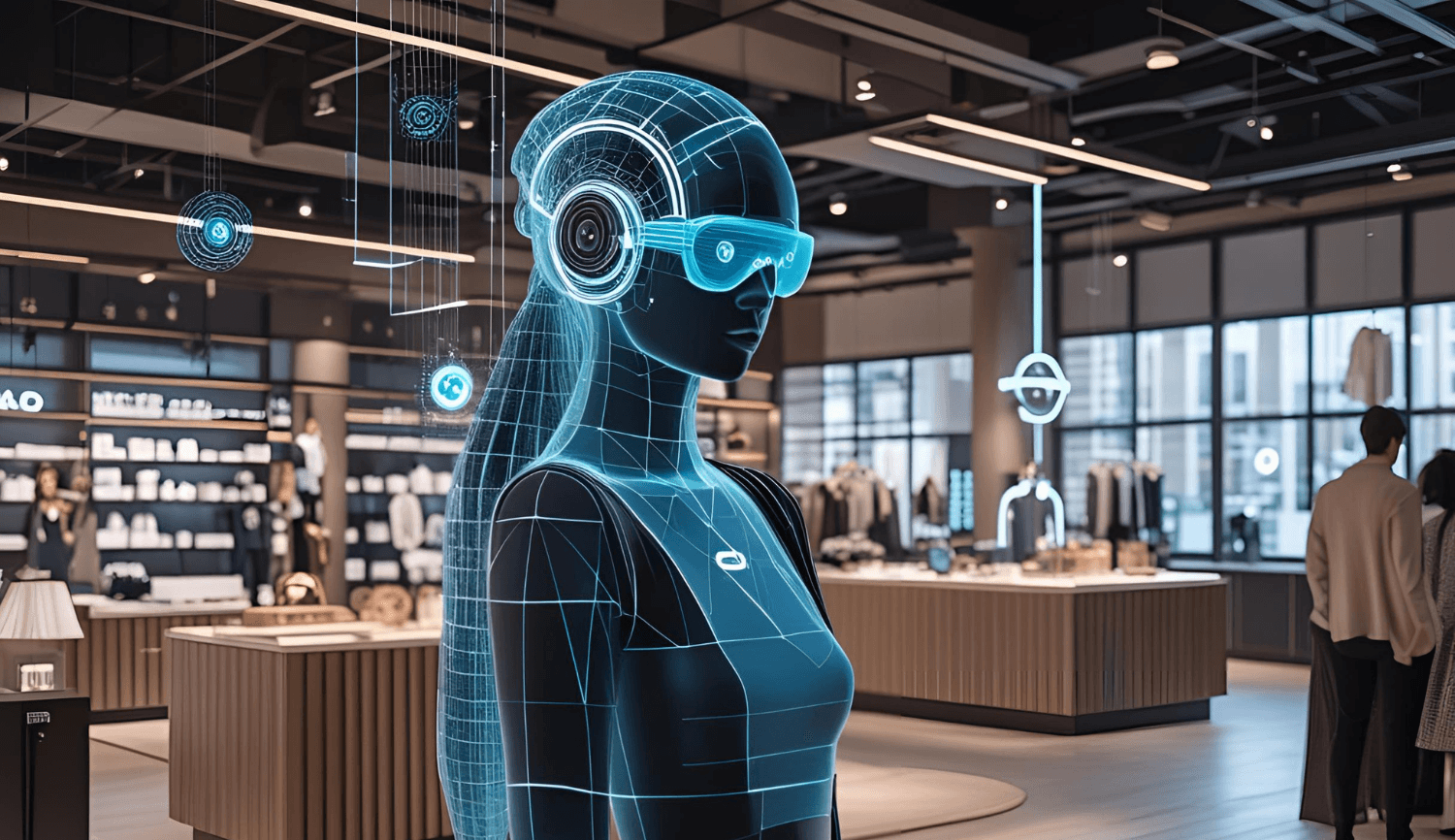
The retail and fashion industries are in a constant state of flux, driven by rapidly shifting consumer preferences, global trends, and the relentless march of digital transformation. To thrive, brands must deliver unparalleled personalization, convenience, and engaging experiences. The powerful synergy of Artificial Intelligence (AI), Machine Learning (ML), and Virtual/Augmented/Extended Reality (VR/AR/XR) is delivering precisely this, forging a future of hyper-personalized shopping and immersive commerce.
1. AI & ML for Hyper-Personalization and Operational Intelligence: The Smart Retail Brain
AI and ML are transforming every touchpoint, from predicting what you want before you know it to optimizing operations behind the scenes.
- Hyper-Personalized Product Recommendations: Moving beyond simple “you might also like,” AI builds a deep understanding of individual customer preferences.
- How it Works: ML algorithms analyze vast amounts of data: past purchases, Browse history, click-through rates, social media activity, sentiment analysis from reviews, body type (for fashion), style preferences, and even external factors like weather or current events. This enables hyper-targeted recommendations for products, outfits, or promotions that genuinely resonate with the individual, whether online or in-store (e.g., through smart mirrors).
- Predictive Trend Forecasting & Demand Planning: For fashion especially, anticipating trends is crucial. AI can analyze runway shows, social media buzz, influencer activity, street style photography, sales data, and even raw material prices to predict upcoming fashion trends and consumer demand with remarkable accuracy.
- Benefits: Minimizes overproduction (reducing waste), optimizes inventory, and ensures brands stock what consumers truly desire, leading to higher sales and reduced markdowns.
- Intelligent Inventory Management & Supply Chain Optimization: AI continuously monitors sales, returns, seasonal demand, and supplier lead times to optimize stock levels across multiple locations. It can identify the most efficient logistics routes and proactively flag potential supply chain disruptions, ensuring products are always available where and when needed.
- Customer Service AI & Conversational Commerce: AI-powered chatbots and virtual assistants provide 24/7 support, answer FAQs, guide customers through product discovery, assist with returns, and even facilitate transactions through natural language conversations, enhancing customer experience and reducing operational costs.
- Dynamic Pricing & Promotion Optimization: ML algorithms can analyze real-time demand, competitor pricing, inventory levels, and customer segments to dynamically adjust prices and offer personalized promotions, maximizing revenue and customer conversion.
- In-Store Analytics & Optimization: Computer Vision AI can analyze anonymous foot traffic patterns, dwell times in different sections, and product interactions within physical stores, providing retailers with invaluable insights into store layout effectiveness, merchandising, and customer behavior.


“The Future is Intelligent, Immersive, and Responsible Retail & Fashion: The convergence of these technologies promises a retail and fashion landscape that is not only highly efficient and personalized but also transparent, sustainable, and deeply engaging. This transforms shopping into an experience, builds genuine brand loyalty, and pushes the entire industry towards a more ethical and innovative future.”
2. VR, AR, & XR for Immersive Shopping Experiences: The Virtual Showroom
XR technologies are blurring the lines between physical and digital retail, creating engaging and convenient new ways to shop and interact with products.
- Virtual Try-On (AR): Perhaps the most revolutionary application in fashion. Customers can use their smartphone or a smart mirror to “try on” clothes, glasses, makeup, or accessories virtually, seeing how they look on their own body without physically putting them on.
- How it Works: AR overlays 3D digital models of garments onto the user’s live video feed, often using sophisticated body tracking and realistic fabric simulation.
- Benefits: Reduces returns (a major pain point in e-commerce), enhances conversion rates, saves time for customers, and provides a personalized fitting experience.
- Virtual Showrooms & Stores (VR/WebXR): Brands can create immersive 3D virtual stores or showrooms that customers can “walk through” using VR headsets or even directly in a web browser (WebXR).
- Benefits: Offers a highly engaging and interactive Browse experience, allows brands to showcase their entire collection without physical space constraints, and creates a unique brand narrative. Customers can view products from all angles, interact with them, and even consult with virtual sales associates.
- Augmented Product Visualization (AR): For furniture, home decor, or complex products, AR allows customers to visualize how an item would look in their own physical space before buying. They can place a virtual sofa in their living room or a digital appliance in their kitchen, ensuring it fits and matches their aesthetic.
- Metaverse Commerce & Digital Fashion: The metaverse presents a new frontier for retail. Brands are creating digital twins of their physical products, selling NFTs of virtual clothing for avatars, and launching immersive brand experiences within virtual worlds.
- Benefits: Unlocks new revenue streams, builds brand presence in emerging digital spaces, and allows for highly experimental and sustainable forms of fashion (digital-only garments).
- Smart Mirrors & Personalized In-Store Assistance: AI-powered smart mirrors in fitting rooms can recommend complementary items, suggest different sizes, and even allow customers to request assistance from sales associates without leaving the fitting room, enhancing the in-store experience.
6.3. Blockchain for Trust, Authenticity, and Sustainability in Fashion:
While AI and XR focus on the customer experience, blockchain addresses the critical needs for transparency, authenticity, and ethical practices in the supply chain.
- Product Authenticity & Anti-Counterfeiting: Blockchain provides an immutable digital ledger to track every garment or luxury item from raw material to final sale. This verifies authenticity, combats the pervasive issue of counterfeits, and protects brand integrity.
- Supply Chain Transparency & Ethical Sourcing: Consumers increasingly demand sustainable and ethically sourced fashion. Blockchain can immutably record data points like origin of materials, factory conditions, labor practices, water usage, and environmental certifications. This allows consumers to verify “eco-friendly” or “fair trade” claims and holds brands accountable.
- Digital Rights Management for Digital Fashion (NFTs): For virtual clothing or NFTs, blockchain proves ownership and manages intellectual property rights, ensuring creators are compensated for their digital designs.
- Circular Economy & Lifecycle Tracking: Blockchain can track a garment’s entire lifecycle, from production to recycling or resale, facilitating circular fashion initiatives and responsible end-of-life management.
AI Graphics AI Illustrations AI in retail AR retail Art Design customer experience AI demand forecasting fashion digital fitting room fashion tech Innovative Art Intelligent Art metaverse fashion ML fashion trends personalized shopping retail analytics smart retail supply chain transparency retail sustainable fashion tech virtual try-on VR commerce Weblogix.tech