
No products added!
April 27, 2025
0 Comments
🎓 Introduction: One Student, One Way of Learning
No two students are alike. Some learn visually, some learn by doing. Yet for decades, education has followed a one-size-fits-all model.
That’s changing.
AI is making it possible to deliver customized, real-time education tailored to each learner’s pace, style, and needs.
How artificial intelligence is transforming education by delivering personalized learning, adaptive tests, and scalable mentorship to every student.
📊 1. Personalized Learning Paths
AI-driven platforms assess:
Student’s strengths, weaknesses
Learning behavior
Time taken per module
Based on this, they adapt:
Content difficulty
Learning speed
Type of assignments
Example: Khan Academy + GPT-4, Byju’s AI Tutor.
📚 2. AI-Powered Tutors
AI chatbots and agents provide:
24/7 doubt solving
Concept explanations
Emotional encouragement
Example: Squirrel AI in China has outperformed many human tutors in middle-school math.
🧠 3. Learning Analytics for Educators
Teachers can use dashboards to:
Spot struggling students
Tailor feedback
Identify teaching gaps
Outcome: AI supports—not replaces—teachers by freeing them from repetitive work.
🌍 4. Inclusive Education
AI tools offer:
Real-time translation
Text-to-speech for dyslexic learners
Sign language conversion for hearing-impaired
Technology becomes the bridge to equality.
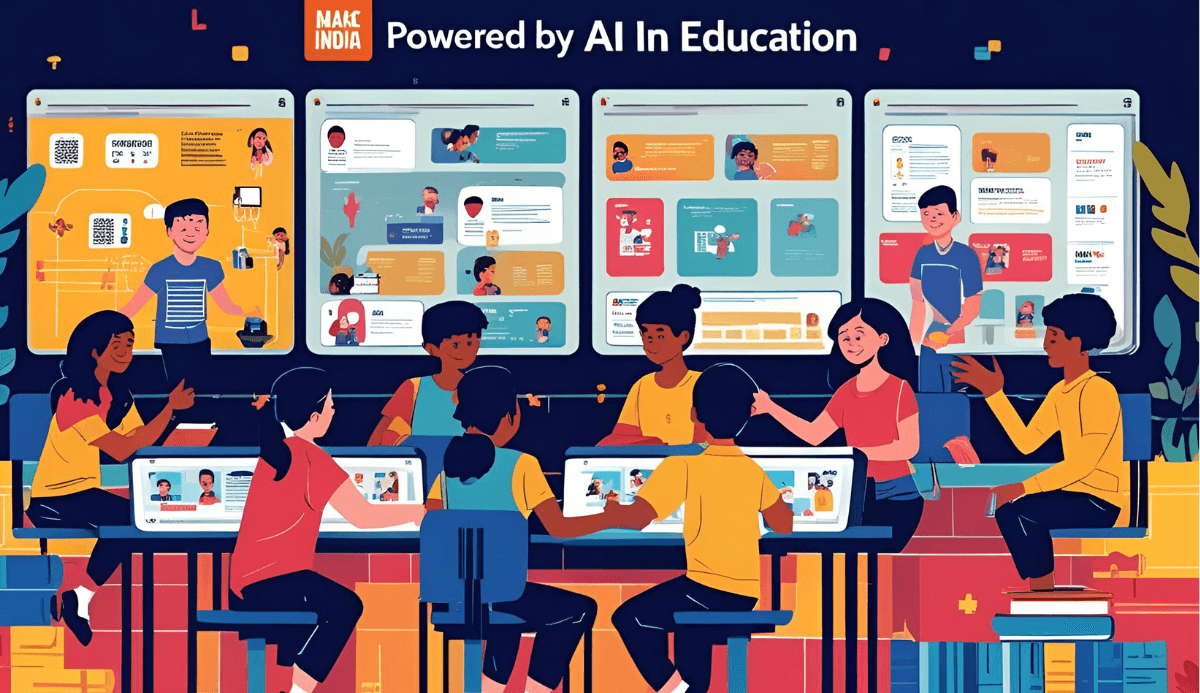
Artificial Intelligence (AI) and Machine Learning (ML) are poised to revolutionize education, transforming how students learn, how teachers teach, and how educational institutions operate. The potential benefits are immense, but so are the challenges and ethical considerations.
Google Gemini
Key Ways AI is Transforming Education:
Personalized Learning:
- AI-driven platforms can analyze individual student data (learning pace, strengths, weaknesses, preferences) to create tailored educational content and learning paths.
- Adaptive learning systems adjust content and difficulty in real-time based on a student’s performance, providing targeted support and challenges.
- Impact: Moves away from a “one-size-fits-all” model to highly individualized learning experiences, potentially closing learning gaps and increasing engagement.
Intelligent Tutoring Systems (ITS):
- AI-powered tutors can provide one-on-one instruction, offer instant feedback, answer queries, and suggest supplementary resources, often mimicking human tutor responses.
- Impact: Provides 24/7 support, reinforces concepts, and helps students grasp difficult topics at their own pace.
Automated Grading and Feedback:
- AI can quickly and consistently grade assignments, tests, and quizzes, particularly for objective questions and even provide detailed feedback on written work.
- Impact: Saves teachers significant time, allowing them to focus more on teaching, individualized support, and creative lesson planning. Students receive immediate feedback, which aids faster learning.
Smart Content Development:
- Generative AI can create diverse educational materials, including lesson plans, quizzes, interactive simulations, presentations, and even adapt existing content to different reading levels or learning styles.
- Impact: Reduces the burden on educators for content creation and allows for highly customized, engaging, and accessible learning resources.
Administrative Efficiency:
- AI can automate repetitive administrative tasks like class scheduling, attendance tracking, student admissions, and report generation.
- Impact: Streamlines school operations, saving valuable resources and freeing up staff time for more strategic initiatives and student support.
Data-Driven Insights and Predictive Analytics:
- AI can analyze vast amounts of student performance data to identify learning patterns, predict potential academic challenges, and highlight areas where students or even entire cohorts might need intervention.
- Impact: Empowers educators and administrators with actionable insights to make informed decisions, implement early interventions, and optimize teaching strategies.
Accessibility and Inclusion:
- AI-powered tools like speech-to-text, text-to-speech, real-time captions, and translation systems can make learning materials accessible to students with disabilities or those from diverse linguistic backgrounds.
- Impact: Promotes a more equitable and inclusive learning environment.
Challenges of AI in Education:
- Data Privacy and Security: AI systems require vast amounts of student data, raising significant concerns about privacy, security, and potential misuse of sensitive information.
- Bias and Fairness: AI algorithms are trained on data, and if that data is biased, the AI system may perpetuate or even exacerbate existing biases, leading to unfair outcomes in assessments, recommendations, or resource allocation.
- Loss of Critical Thinking and Over-reliance: Over-dependence on AI tools could potentially hinder the development of essential skills like critical thinking, problem-solving, and creativity if students rely too heavily on AI for answers or content generation.
- Academic Integrity: The ease with which AI can generate text raises concerns about plagiarism and cheating, requiring educators to rethink assessment methods.
- Lack of Human Interaction: While AI can augment, it cannot fully replace the human elements of teaching, such as mentorship, emotional support, and fostering social-emotional development.
- Cost and Accessibility: Implementing AI solutions can be expensive, potentially widening the digital divide if not all institutions or students have equitable access to the necessary technology and infrastructure.
- Teacher Training and Resistance: Educators need proper training to effectively integrate AI tools into their teaching methods. Resistance due to concerns about job displacement or lack of understanding can hinder adoption.
- Quality Control of AI-Generated Content: Ensuring the accuracy, relevance, and quality of AI-generated educational content is crucial to maintain high educational standards.
📢 What’s Next?
AI in education isn’t just about marks. It’s about nurturing curiosity, creativity, and confidence.
Weblogix.tech supports platforms and founders rethinking how the world learns.